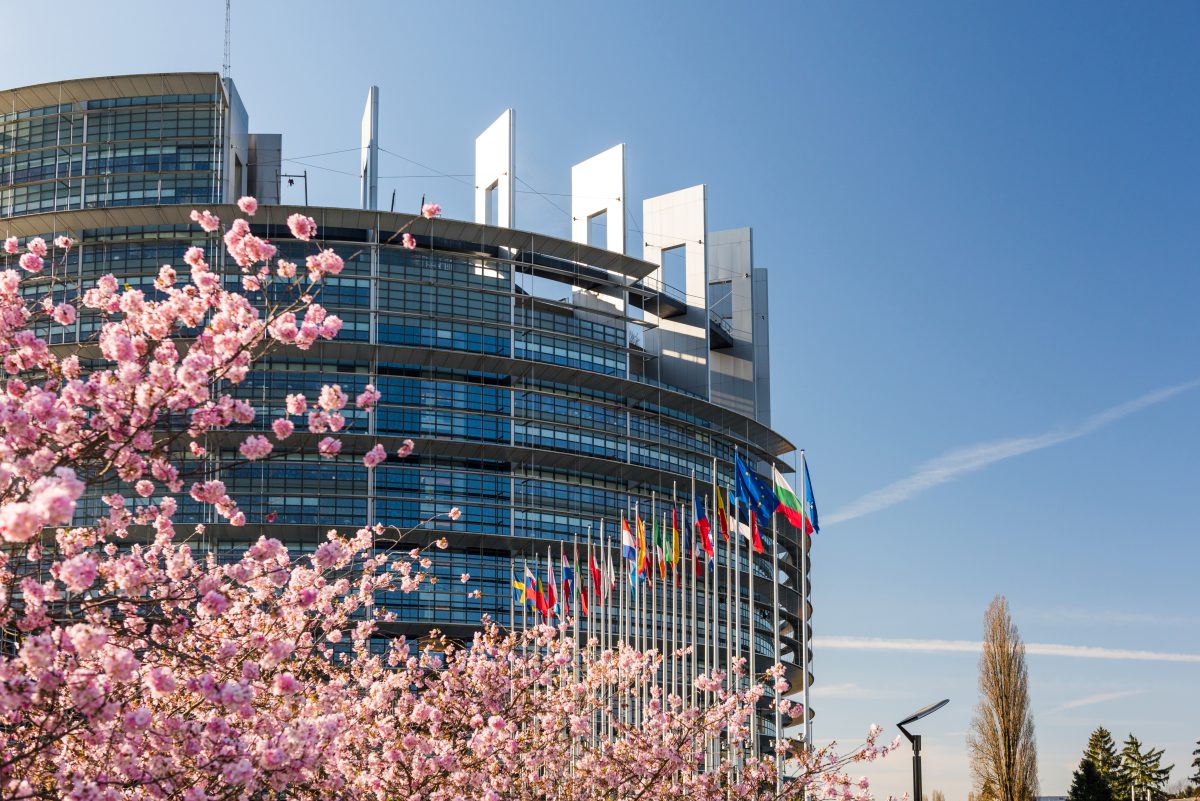

GRECO President David Meyer has called for closer cooperation between the European Union and the Council of Europe’s anti-corruption monitoring body. Speaking in Rome on 16 September, he presented GRECO’s contribution to work on the first EU anti-corruption strategy. His intervention connected stronger institutional cooperation with independent scrutiny and accountability, according to the Council of Europe’s account of the event.
The discussion took place at a conference organised by the International Anti-Corruption Academy on measuring the effectiveness of anti-corruption agencies. The event ran from 16 to 18 September and brought together practitioners and experts. Its focus puts the results of institutional work under examination, rather than assuming that the existence of an agency or a growing workload demonstrates effective protection against corruption. Meyer participated in a panel addressing the European strategy. The official announcement reports his proposals as a contribution to policy discussions, rather than a decision establishing new powers or adopting the strategy itself.
GRECO is a Council of Europe body, separate from the institutions of the European Union. Its role is to examine compliance with anti-corruption standards through evaluation and follow-up. That position gives the Rome discussion a particular focus: how experience gained from reviewing national systems can inform wider European policy. Monitoring can identify weaknesses and encourage reform, but it should not be confused with a prosecution or a court’s determination of guilt.
The conference’s emphasis on effectiveness raises a basic question about what success should look like. An agency may publish more reports because it has become more active, because reporting requirements changed or because the underlying problems have grown. The number alone does not explain which of those possibilities applies. Evaluation needs information about the work behind the figure and the consequences that follow from it.
The same caution applies to investigations. A rising caseload may reflect improved detection, but an increase does not by itself establish that corruption has become more common. A small caseload could reflect effective prevention or an inability to identify offences. Comparing institutions without considering their responsibilities and operating conditions can therefore produce misleading conclusions. These are methodological questions raised by the subject of the conference, not findings that Meyer attributed to a particular country.
One useful approach is to follow an issue through successive stages. A complaint may be received, assessed, investigated, referred to another authority and eventually resolved. Recording those stages separately makes it possible to see where work stops and why. It also reduces the risk of counting the same activity several times as though each entry represented a separate result. Public reporting is more informative when it explains the relationship between workload and outcomes.
Prevention presents a different challenge. A rule that removes an opportunity for favouritism may succeed precisely because no scandal follows. Measuring that effect requires attention to how decisions are made, whether interests are disclosed and whether exceptions receive scrutiny. It is harder than counting a completed investigation, but it addresses a different part of the problem. A strategy built only around enforcement statistics could overlook improvements in routine public administration.
Independence has to be assessed with similar care. An institution’s formal status is relevant, but so are its access to information, staffing and ability to publish findings. A monitoring process that considers only legal wording may miss practical restrictions. Conversely, an isolated disagreement with a government does not explain an entire system. The evidence should show how the institution carries out its responsibilities across the matters it is expected to examine.
Cooperation between European bodies can improve the use of that evidence if responsibilities remain clear. Shared findings can prevent institutions from repeatedly asking for the same information, while separate mandates preserve different forms of scrutiny. The goal should be a clearer account of weaknesses and the action required to address them. Creating more meetings or documents would not, by itself, demonstrate that oversight has improved.
Meyer’s Rome intervention places these questions within the development of EU anti-corruption policy. The official account identifies closer engagement with GRECO as a way to strengthen scrutiny and accountability. It does not say that a new institutional arrangement has already been agreed. The practical test for the strategy will be whether its eventual commitments can be connected to identifiable responsibilities, useful evidence and follow-up when weaknesses persist. The conference provides a forum for that discussion, while the policy choices remain to be made.
Sources: