
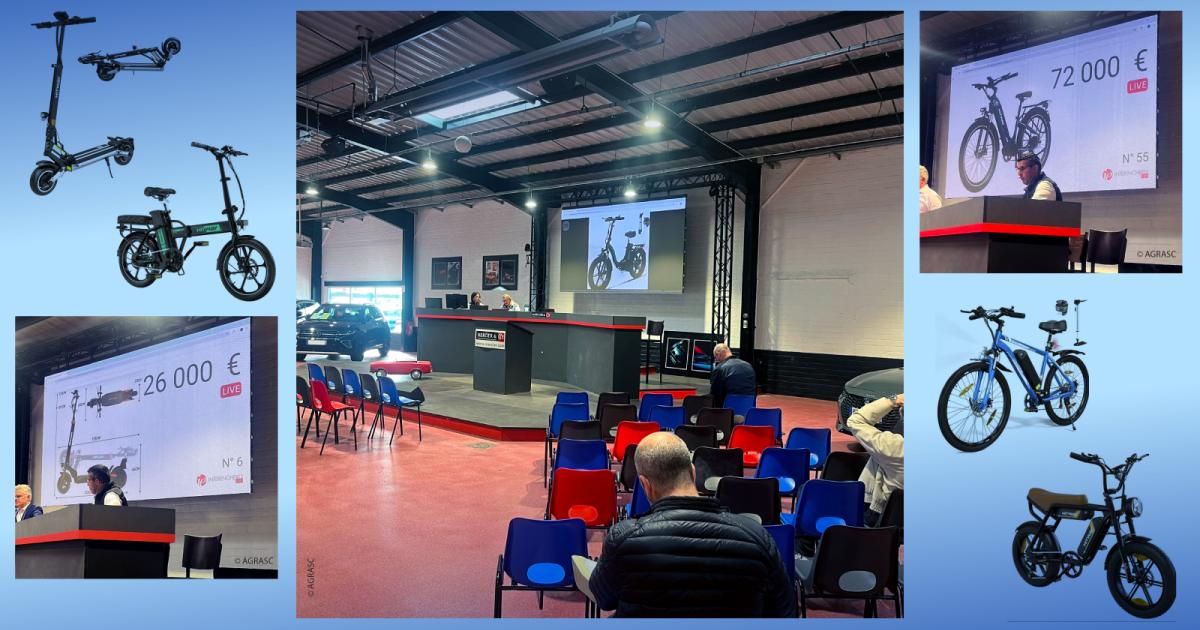
A public auction in France has raised €1,853,800 from more than 10,000 electric bikes and scooters seized in the Calypso investigation. EPPO announced the sale on 25 August, saying the proceeds remain subject to a final court judgment. The auction converts seized goods into money while the underlying criminal proceedings continue.
France’s Agency for the Management and Recovery of Seized and Confiscated Assets, AGRASC, organised the sale. The bikes and scooters had been secured in France during coordinated raids in June 2025, with support from the National Anti-Fraud Office, ONAF. Ten suspects were arrested during those earlier operations across four countries.
The wider Calypso inquiry concerns suspected networks importing goods from China into the EU while evading customs duties and VAT. According to EPPO, the networks managed the route from importation through distribution between member states and onward sales to customers. Prosecutors also suspect money laundering and the transfer of profits back to China.
EPPO estimates that the alleged arrangements operated for at least eight years and caused losses of at least €350 million in customs duties and €450 million in VAT. These are estimates concerning the broader investigation. They are not the value of the bikes and scooters sold in France, and the auction should not be presented as recovering the whole amount under examination.
Customs duties and VAT arise from different parts of the trade and tax system. A shipment entering the EU can give rise to customs liabilities, while subsequent transactions can affect VAT obligations. A network controlling several stages of the commercial chain may therefore come under investigation for more than one kind of revenue fraud. EPPO’s account of Calypso covers both.
The auction is a separate development from the original raids. It concerns the management of goods already seized rather than a new arrest operation. The proceeds may eventually be distributed in accordance with a final judgment. Until that point, the sale does not establish who is criminally responsible or determine the ultimate destination of the money.
That distinction is especially relevant when seized property consists of a large number of commercial products. Keeping physical goods and retaining sale proceeds are different ways of holding value during a case. EPPO’s announcement reports that AGRASC sold the vehicles, but it does not give the full judicial reasons for choosing that course or a breakdown of storage and sale costs.
The published proceeds are the reported result of the auction. They should not automatically be treated as a final net recovery for the EU budget. The statement does not specify deductions, competing claims or the allocation that a court may ultimately order. Those matters remain separate from the confirmed fact that the sale generated €1,853,800.
The number of vehicles also requires careful interpretation. More than 10,000 bikes and scooters were involved, but EPPO does not publish an individual valuation for each item or describe every auction lot. Dividing the total proceeds by a rounded vehicle count would not establish the market value of a particular bicycle or scooter. The condition and composition of the lots are not set out in the announcement.
The use of Chinese import channels does not amount to an allegation against all Chinese exporters or all businesses importing from China. EPPO describes suspected criminal networks and the conduct attributed to them. Responsibility will depend on evidence about the people and companies involved. The movement of goods from a particular country is part of the case’s commercial background, not a finding of wrongdoing by nationality.
For the investigation, the auction preserves a financial result that can be dealt with through the later court process. For reporting purposes, it is an example of asset management during criminal proceedings, rather than a completed confiscation following a final conviction. The fact that an auction has taken place is compatible with the continuing presumption of innocence of the suspects.
Calypso remains an active case concerning alleged customs and VAT fraud and related financial flows. The French sale is a measurable development within that larger inquiry, but it does not settle the estimated losses or the responsibility of the defendants. The next decisive questions concern the evidence against the suspected networks and the eventual court orders governing the money. EPPO has reported the auction result; the final distribution of those proceeds and the outcome of the criminal allegations remain unresolved.
Sources: